November 3, 2026
How I Read Books with AI
It’s not just the book you read
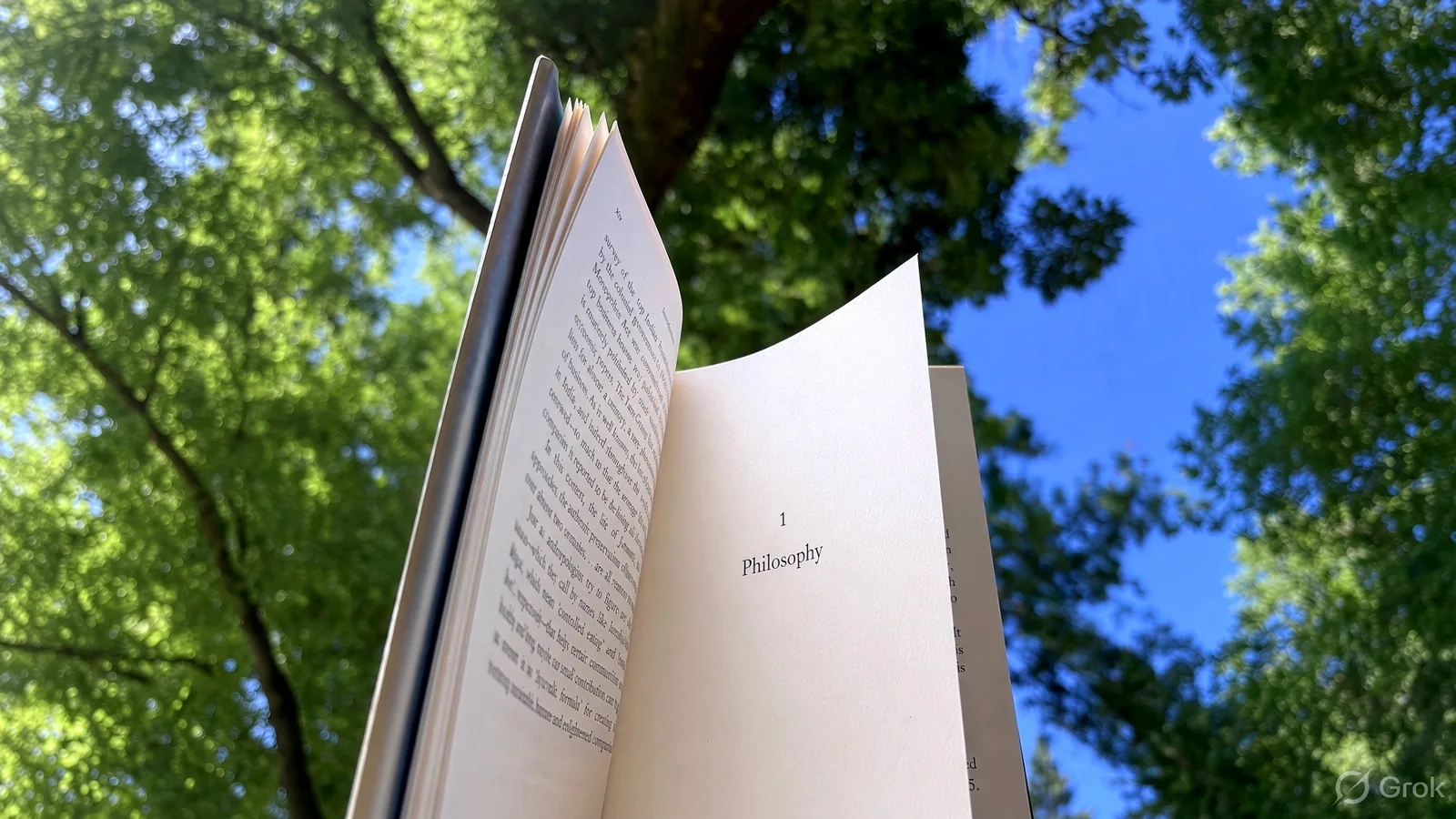
I’ve been maxing AI to read books and I get so much out of it. It’s not just simple reading anymore. When you mix the book with the vast knowledge of an LLM you can question the author, cross apply the idea, and dig deeper. It’s a whole new way of reading. I don’t think I can ever go back to reading without it.
Traditionally we read books by underlining sentences, scribbling notes on the page, or making notes separately. I’ve replaced all of that with AI. I use Grok or Gemini to take notes, extract quotes, and have deep conversations on transcribed pages.
Any page I want to dig deeper into, I take a picture and quiz AI or transcribe it to keep in memory. I go so deep that sometimes I barely clear a couple of pages a day. But the knowledge is wider and deeper because I cross-analyze and immediately apply the ideas in other contexts.
Here’s how I do it so you can try reading with AI as well
-
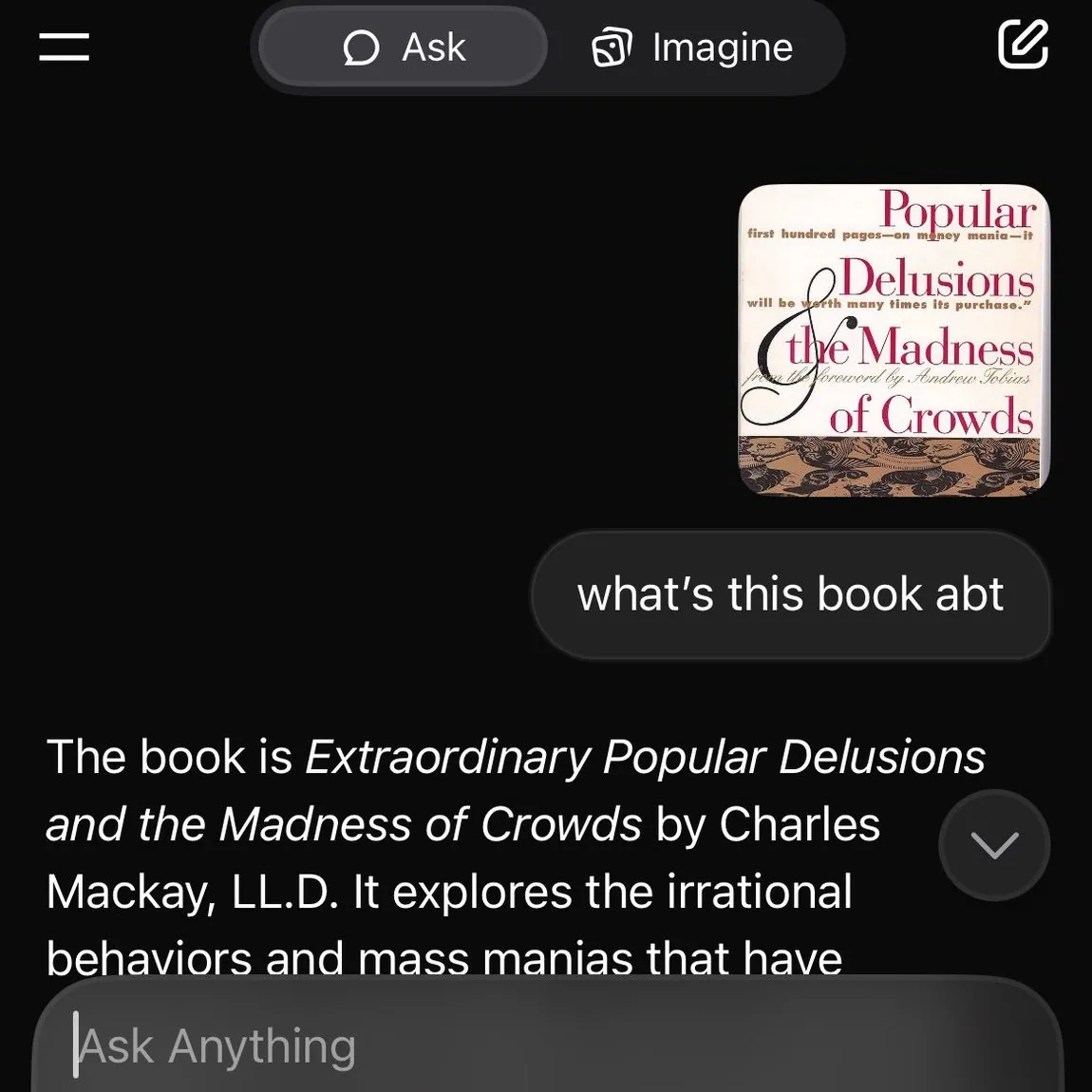
Snap the cover: Take a picture of the book cover and drop it into a chatbot. I do this constantly at bookstores and libraries to decide what to read next. That one time in Seattle I went crazy photographing multiple books, feeding them to Grok, and asking question after question until I knew exactly which ones were worth my time.
-
Argue with the author: You don’t have to accept the author’s POV. Cross-analyze it. Challenge it. This is the biggest upgrade. We treat authors as the final source of truth, but truth is never complete.
-
Transcribe + translate pages: Photograph individual pages (or whole spreads) and have the AI transcribe and explain them. For books in languages I don’t read fluently I snap the page, drop it into Gemini, and get an instant English version. That’s how I finally read big chunks of my grandad’s Hindi book on the Jat history—something I’d owned for years but never finished because the Hindi was too hard.
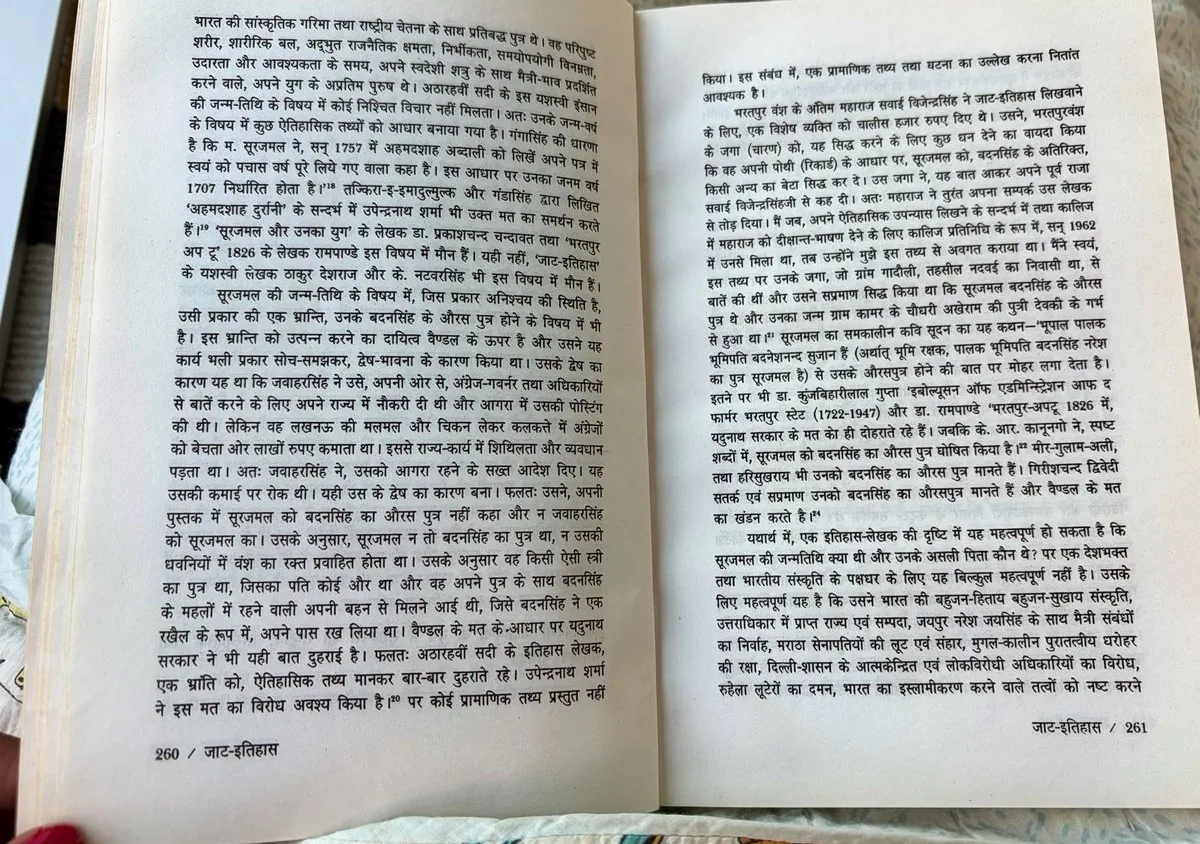
Book written by my Grandad that I finally read with the help of AI -
Cross-apply to your actual life: Take the ideas and apply it onto your specific problems. I did this with Badass: Making Users Awesome, I explained what my startup GrantOrb.com does and came up with a specific plan that applied the book’s core techniques to my use case.
-
Use one book to find the next ones: A brief mention in Braiding Sweetgrass about gifts and reciprocity immediately pointed me to Lewis Hyde’s The Gift. From there AI pulled the whole cluster of related books on gift economies, non-market exchange, and reciprocity. One small idea surfaces the exact next books instead of hoping you stumble across them later.
-
Go selective or generate the book yourself: You don’t have to read an entire collection. You can go selective and generate a book just around the part that interests you. I created one with Gemini Notebook on how Iain M. Banks’ Culture series constructs a post-scarcity society and the political/philosophical tensions within it. Another after my firsthand experience with tribals in India when I wanted to go deeper on their nonmonetary lifestyles. Books on demand, exactly on the topic you care about.
AI makes me a slow reader. I don’t “read the book” anymore—I do full analysis, which opens rabbit hole after rabbit hole. The payoff is permanent, searchable notes I can keep rerunning, cross-referencing, and applying years later. None of this was possible when I was just underlining and dumping screenshots into Apple Notes.
Originally published on Substack — read the original →.