September 21, 2026
I Catalogued a 280-Book Library in 5 Minutes With AI and My Phone
A Sunday morning at City Farmer in Vancouver — and the AI trick most people still haven't discovered
Had the most wonderful Sunday morning at City Farmer in Vancouver — a nonprofit started by two urban agriculture hippies in 1978.
I spent the morning cataloguing their bookshelf with AI. 280 rare, highly curated books on urban agriculture — city chickens, rooftop gardens, composting, permaculture, seed saving. Decades of collecting.
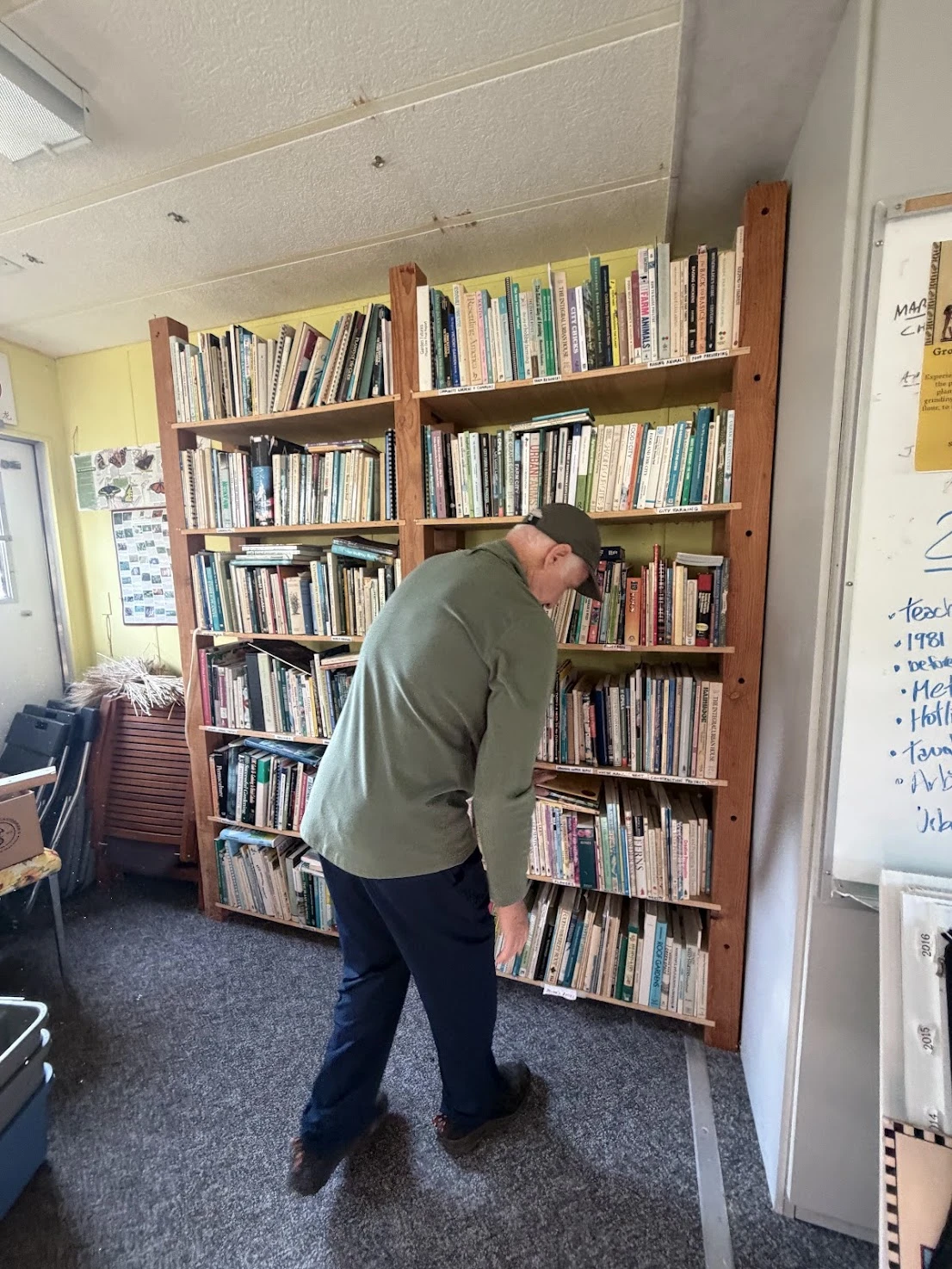
The founder — still running City Farmer, 48 years on — has been meaning to catalogue it by hand for years. Typing each title, each author’s name, organizing by subject. He kept putting it aside because it’s just so tedious. Meanwhile, people have been waiting for that list — including folks from the FAO, the UN’s Food and Agriculture Organization.
I offered to do it on the spot.
It took me 5 minutes of taking pictures with my phone. Then AI read every spine, digitized each title and author, and organized the whole collection by subject. It even deduplicated as it went — books that got caught in two overlapping photos, and actual duplicate copies on the shelves, all collapsed into one clean entry each. Boom — a library that waited years for a catalogue, done before the kettle boiled. It’ll be up on their website soon.
There’s a poetic full-circle here: City Farmer’s Urban Agriculture Notes, launched in 1994, was the first website on the internet about urban farming. The org that put city gardening online before most people had email just had its library digitized by AI.
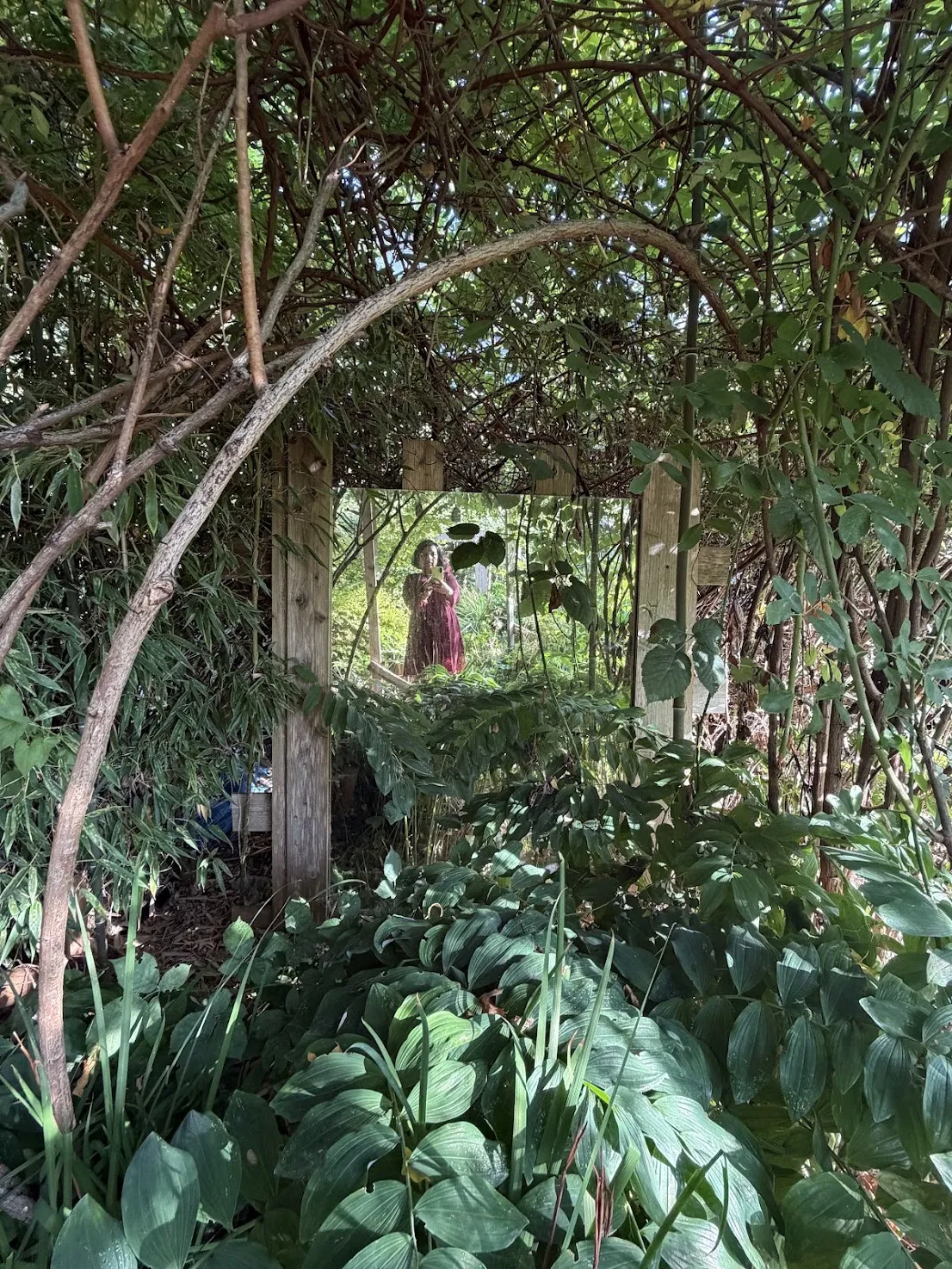
(That’s me in the cover photo, by the way — caught in one of the mirrors tucked into the garden greenery. This place is full of little surprises like that.)
Wait — AI can read a bookshelf?
If you’ve only ever used AI as a chatbot — typing questions, getting answers — you’ll be surprised to know AI can also read photos, not just text. Show it a photo and it understands what it’s looking at. That’s called visual reasoning, and it’s built into the same AI apps you already have on your phone. I used Grok for this one; Claude, ChatGPT, and Gemini all do it too.
Here’s the thing most people haven’t realized yet: modern AI is multimodal. It doesn’t just read text — it sees. Send it a photo and it doesn’t just detect “books on a shelf” the way old software would. It actually reads every spine in the frame, even the tilted ones, the worn ones, the ones half in shadow. It recognizes titles it knows, infers authors, and understands what each book is about — so it can sort a pile of spines into subjects like “Composting,” “Urban Livestock,” and “Community Gardens” without being told what those categories should be.
Your phone camera is the input. The AI does the reading, the typing, and the thinking.
The whole workflow, in case you want to steal it:
- Photograph the shelves. One clear photo per shelf section. Get close enough that spines are readable. That’s the 5 minutes.
- Send the photos to an AI chatbot and ask: “List every book you can read in these photos — title and author — and organize them by subject.”
- Review and fix. It’ll flag spines it can’t read. Retake those two or three photos, or type the stragglers by hand. Don’t worry about your photos overlapping — the AI recognizes when it’s seen a book already and dedupes it, along with any genuine duplicate copies on the shelf.
- Ask for the format you need — a spreadsheet, a table for the website, whatever.
That’s it. No scanner, no barcode gun, no cataloguing software, no data-entry weekend. A chore that was tedious enough to postpone for years collapsed into a short photo walk.
And bookshelves are just the beginning. The same trick works on anything your eyes can read and your hands are too busy to type: a filing cabinet of donor records, a wall of binders, a seed library, handwritten recipe cards, the supply closet you’ve been meaning to inventory since 2019. If it sits in the physical world and needs to become a list, your phone camera is now the fastest data-entry tool you own.
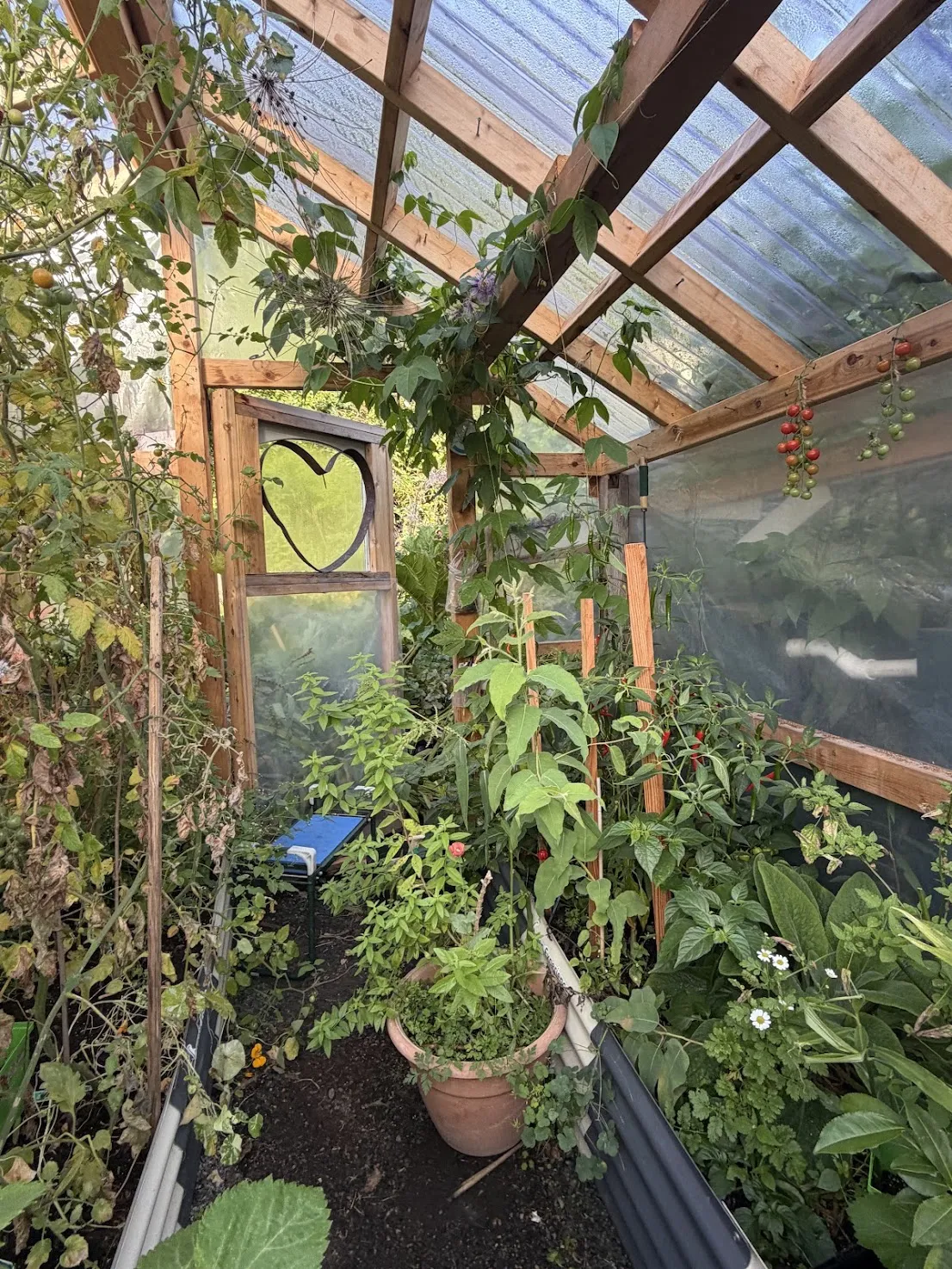
The garden is the other half of the story
Because I can’t write about City Farmer without showing you the garden.
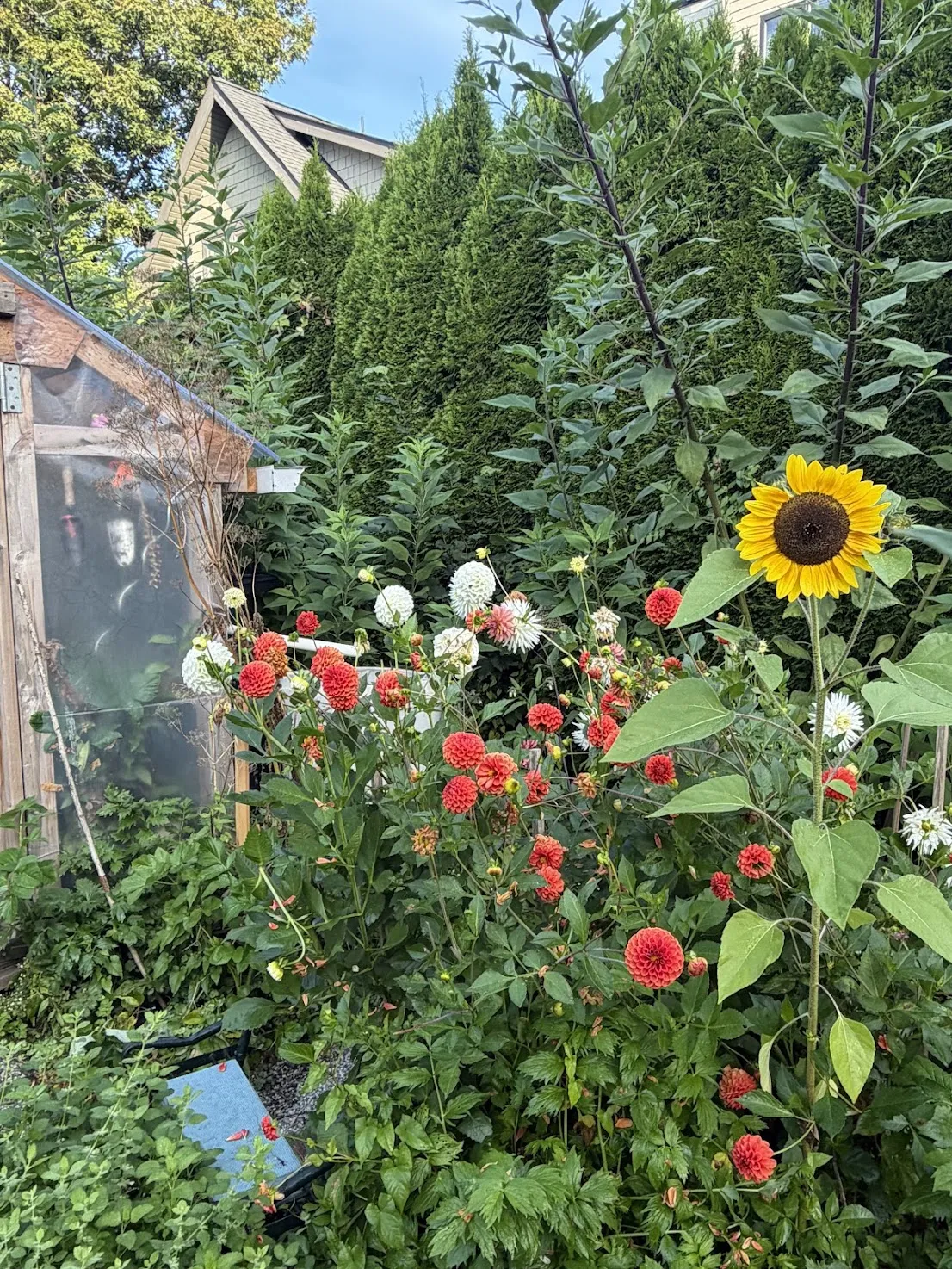
That greenhouse above? The most beautiful, straight-out-of-a-wilderness-movie greenhouse.
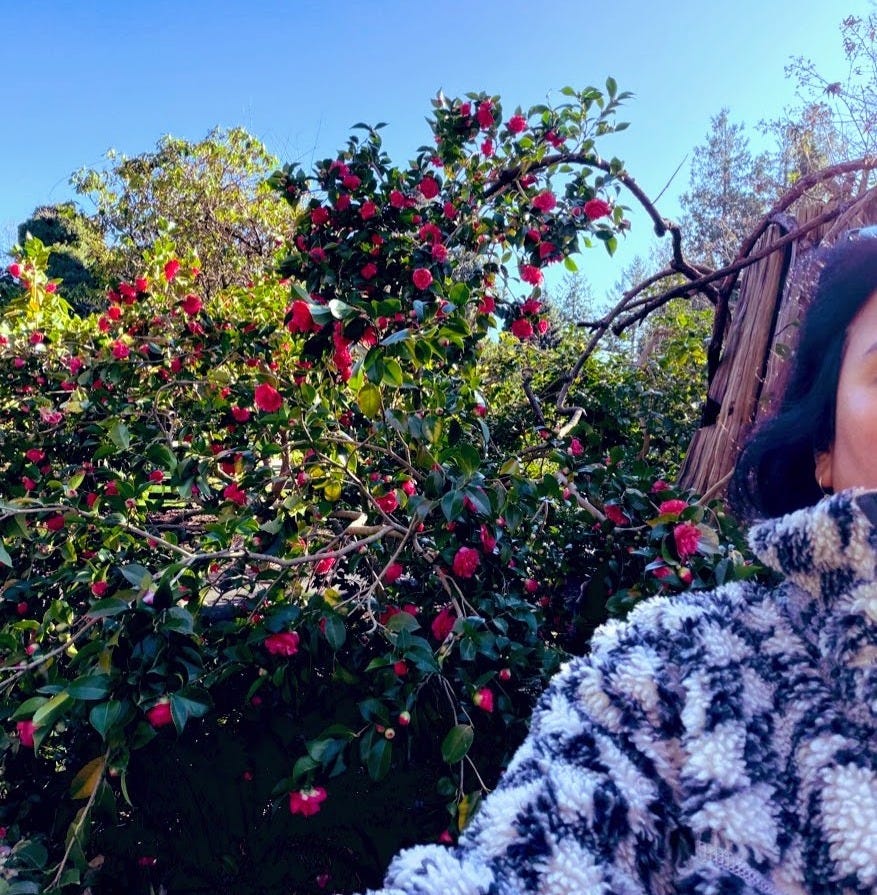
If you live in Vancouver — or plan to see the city — this is a must-see place. They have the most beautiful demonstration gardens, including composting and silkworm harvesting. And now, a fully digitized library.