October 28, 2026
Convenience Made Us Sick. AI Is Letting Me Cook Again.
Slow Food, Fast AI
This morning I had stuffed paratha with buttermilk for breakfast. I’m so North Indian even after living in North America for 15 years, I still prefer a savoury full meal to start the day despite hundreds of sweet food options conveniently available. They say food habits are the stickiest form of culture. They define people more stubbornly than almost anything else.
Anthony Bourdain put it simply:
“Food is everything we are. It’s an extension of nationalist feeling, ethnic feeling, your personal history, your province, your region, your tribe, your grandma. It’s inseparable from those from the get-go.”
And yet we’ve watched convenience and work pressure rewrite them faster than anything in living memory. Dual-income homes, long hours, and constant work turned cooking into something most people outsource. DoorDash and microwave dinners became the normal way to eat.
What started as a shortcut for busy nights turned into the default for every meal.
Homemade food from scratch became a rarity.
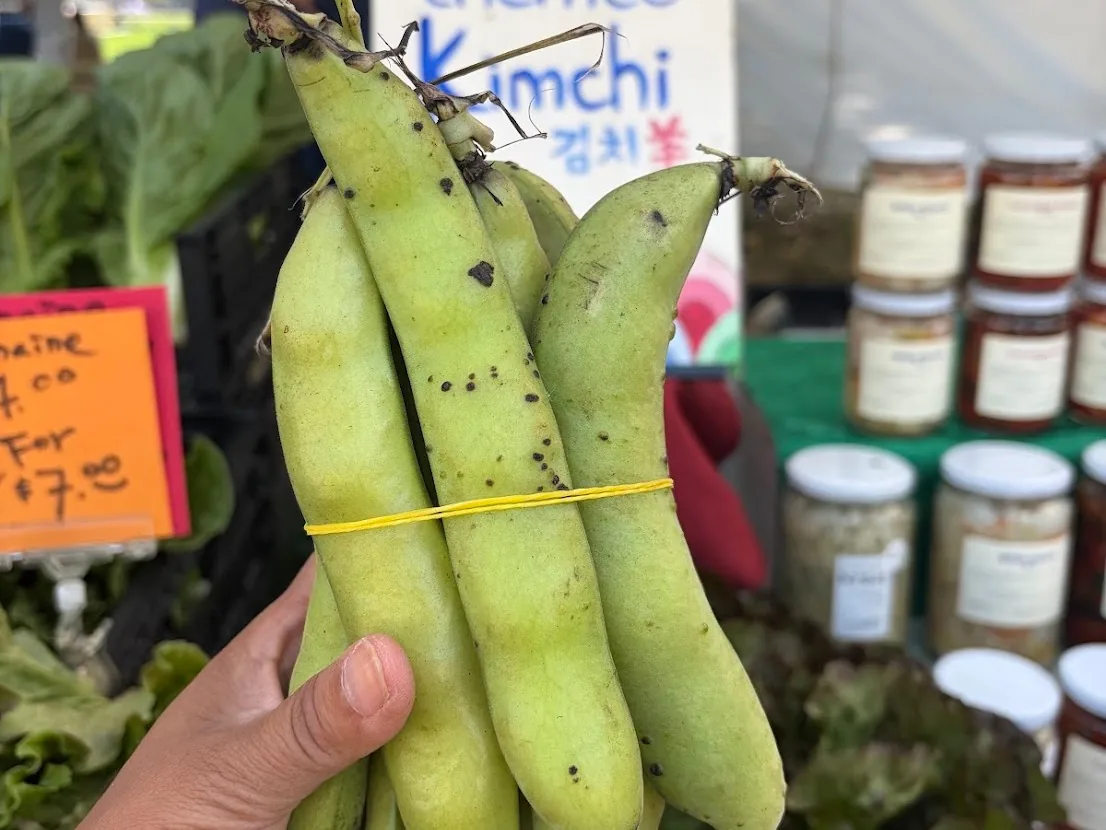
In the U.S., more than half of calories now come from ultra-processed food. People know the health numbers: higher rates of obesity, type 2 diabetes, and heart disease. And now people are taking Ozempic to fix the intake of artificial food which in itself creates new problems.
Robin Wall Kimmerer wrote in Braiding Sweetgrass:
When I walk the aisles with open eyes, the source of the food is mostly evident, although Cheetos and Ding Dongs remain an ecological mystery.
I’ve resisted the winds of modern living as I grew up in a household that cooked. Everything cooked fresh from scratch. Growing up I never ate out. And now I’m in a place where whole-milk yogurt is hard to find and everything is measured in protein.
AI has been the biggest blessing. It’s helped me return to my roots—cooking at home.
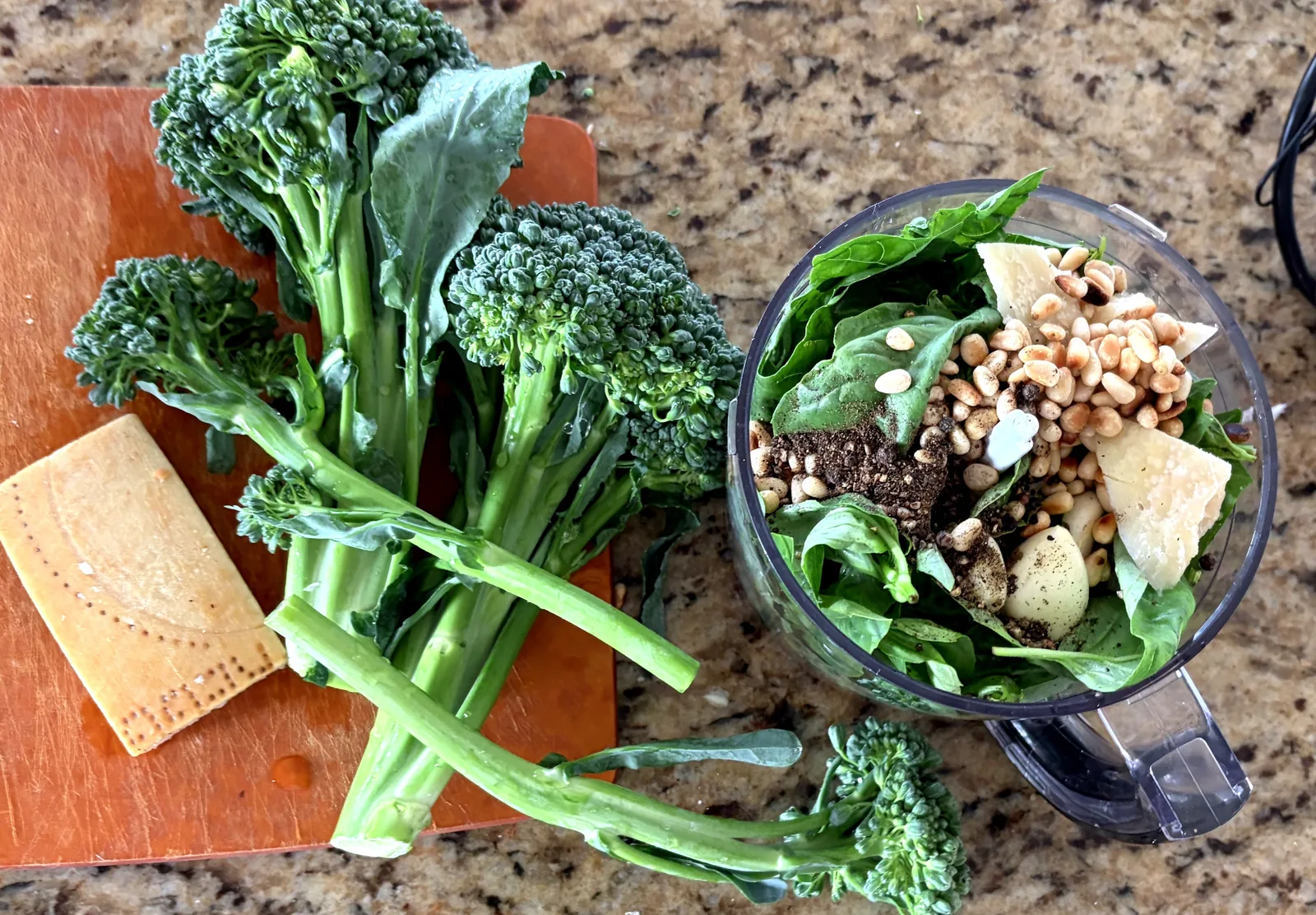
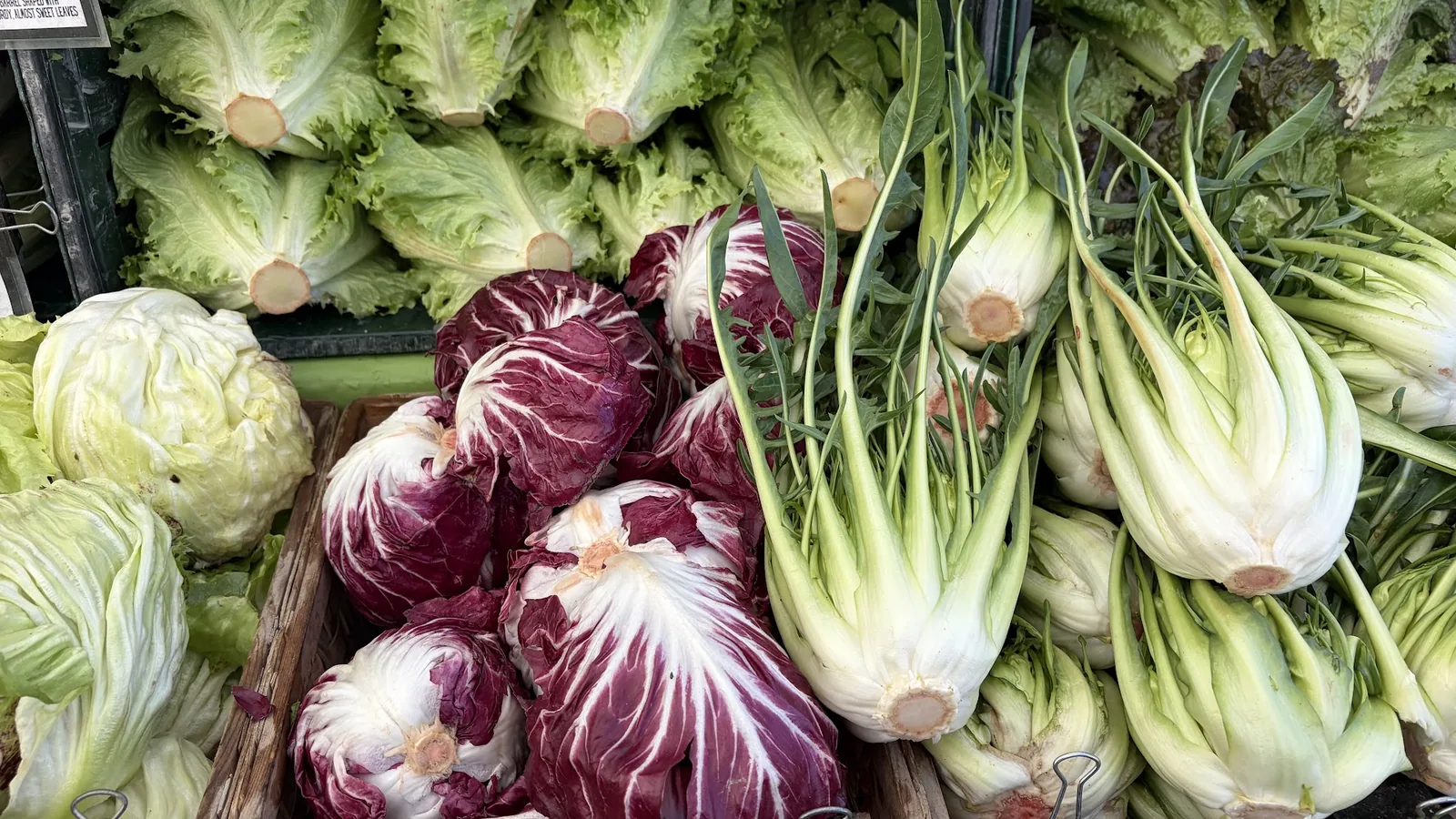
I just have this immense time unlock now that I devote most of it to cooking, finding fresh ingredients, picking fresh veggies weekly from the farmers market, reading cookbooks. I’ve read over 10 cookbooks this summer and curated recipes I want to try.
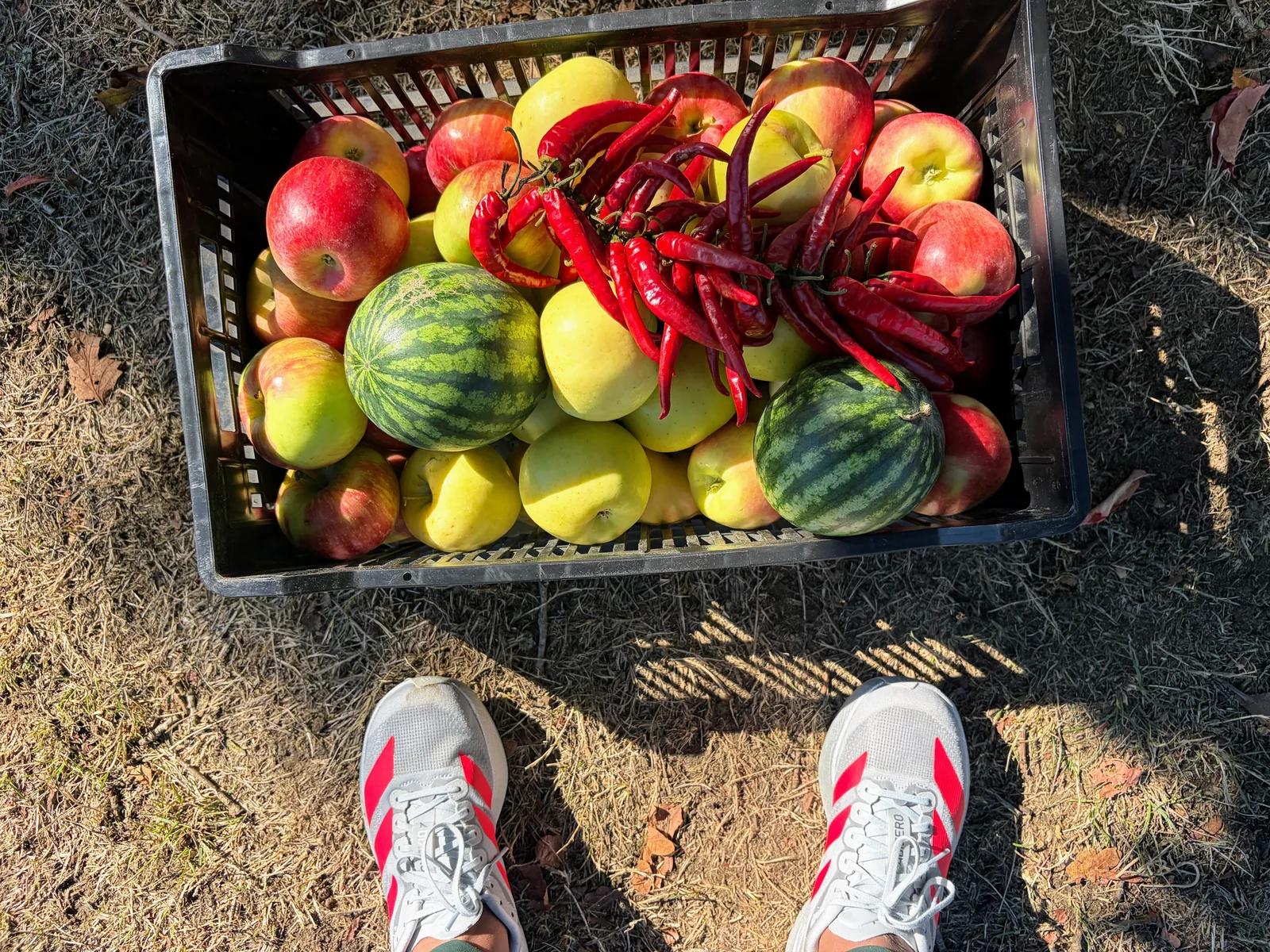
I’ve bought all the summer abundance that can be frozen and dried and used in the winter. All this thanks to AI. Slow food takes time, and now I have it.
I know we have a lot of contempt for AI. People just fail to see the positive effect. I’ve been living an AGI life that revolves around food.
I’ve seen the first hand impact of homemade regional food consumption in the Sahyadri Hills of India. The tribals eat what they grow and what’s available locally, every single meal is made at home and the 40 year olds look like 20 year olds. Their skin is clear, wrinkle free, the kind that radiates from inside. My goal is to age like them.
Real food + the time AI gives back is the closest thing I’ve found to a way there.
Originally published on Substack — read the original →.