October 14, 2026
Money Is a Sign of Poverty. AI Might Prove It.
Life without money. It exists.
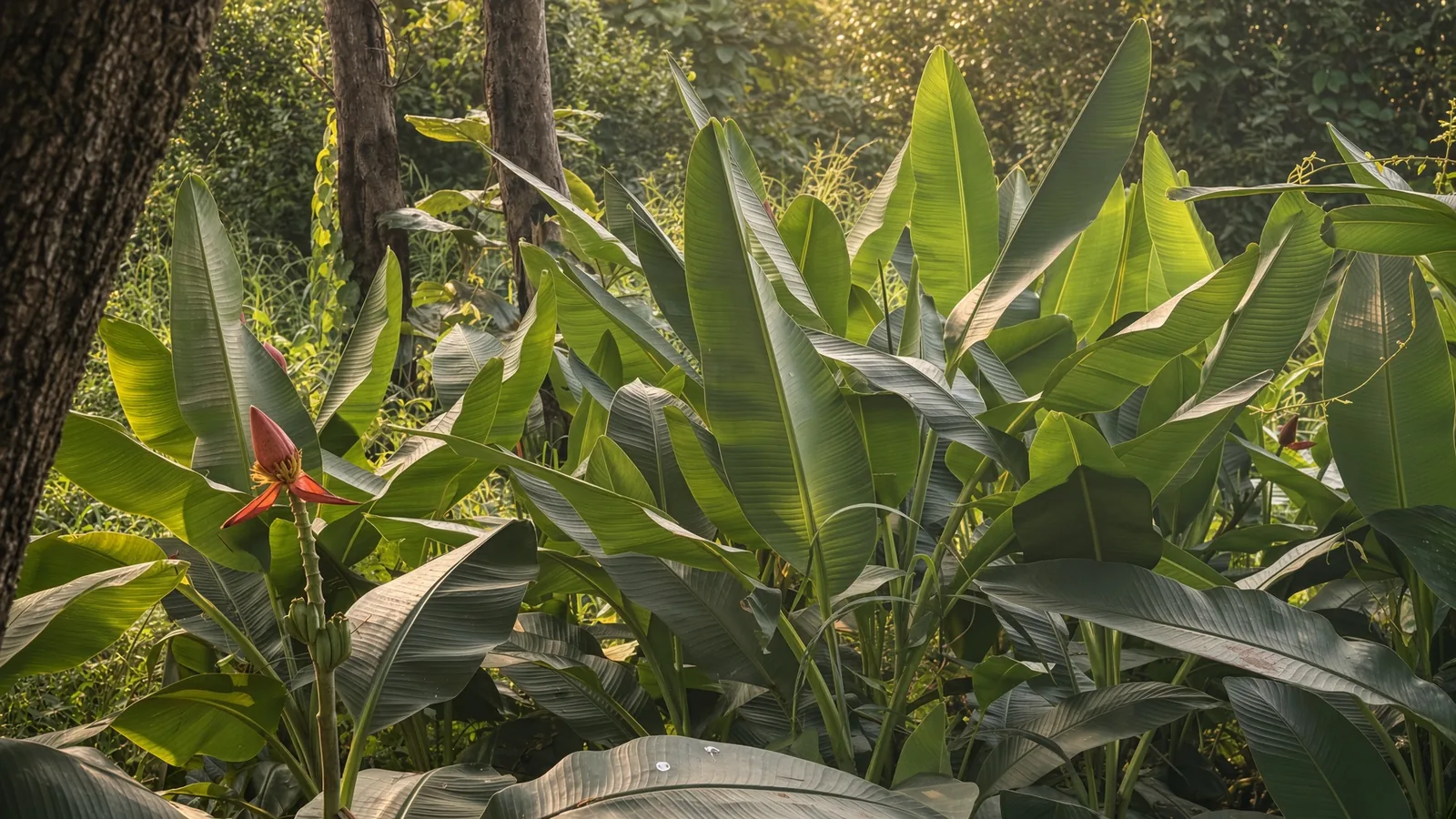
Never before had I deeply understood the line “money is a sign of poverty” until my recent trip to the Sahyadri hills of India. There I met the people of the land—the natives, called tribals in government language—who live almost entirely free of the concept of money. It simply does not run their lives. No amount of cash dangled in front of them will reliably get them to show up and work. They are content. They have few wants. They eat from the land, walk everywhere, and seem fully at ease with the life they already have.
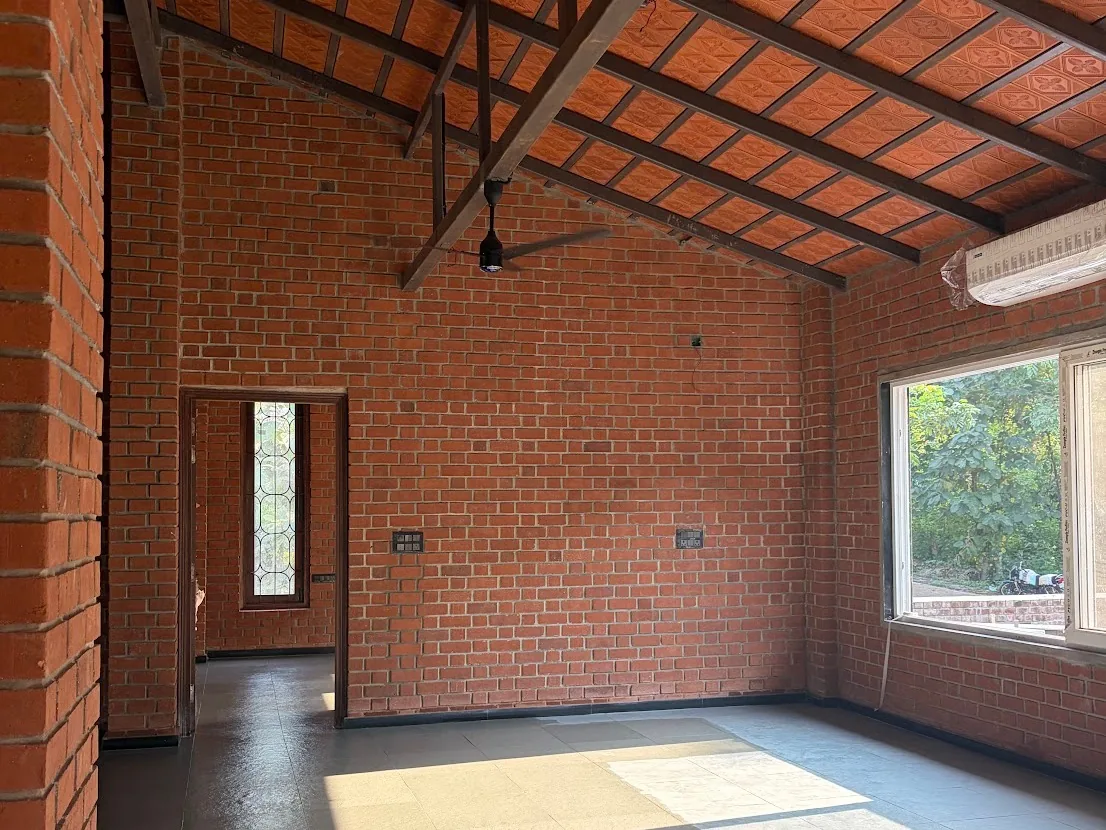
I saw this first-hand. My family is building a house in those hills, and the only people around to help construct it are the natives. The experience has been revealing. They are not used to steady work the way most of us are. The idea of showing up day after day for wages does not sit naturally with them. Money itself does not act as a strong incentive.
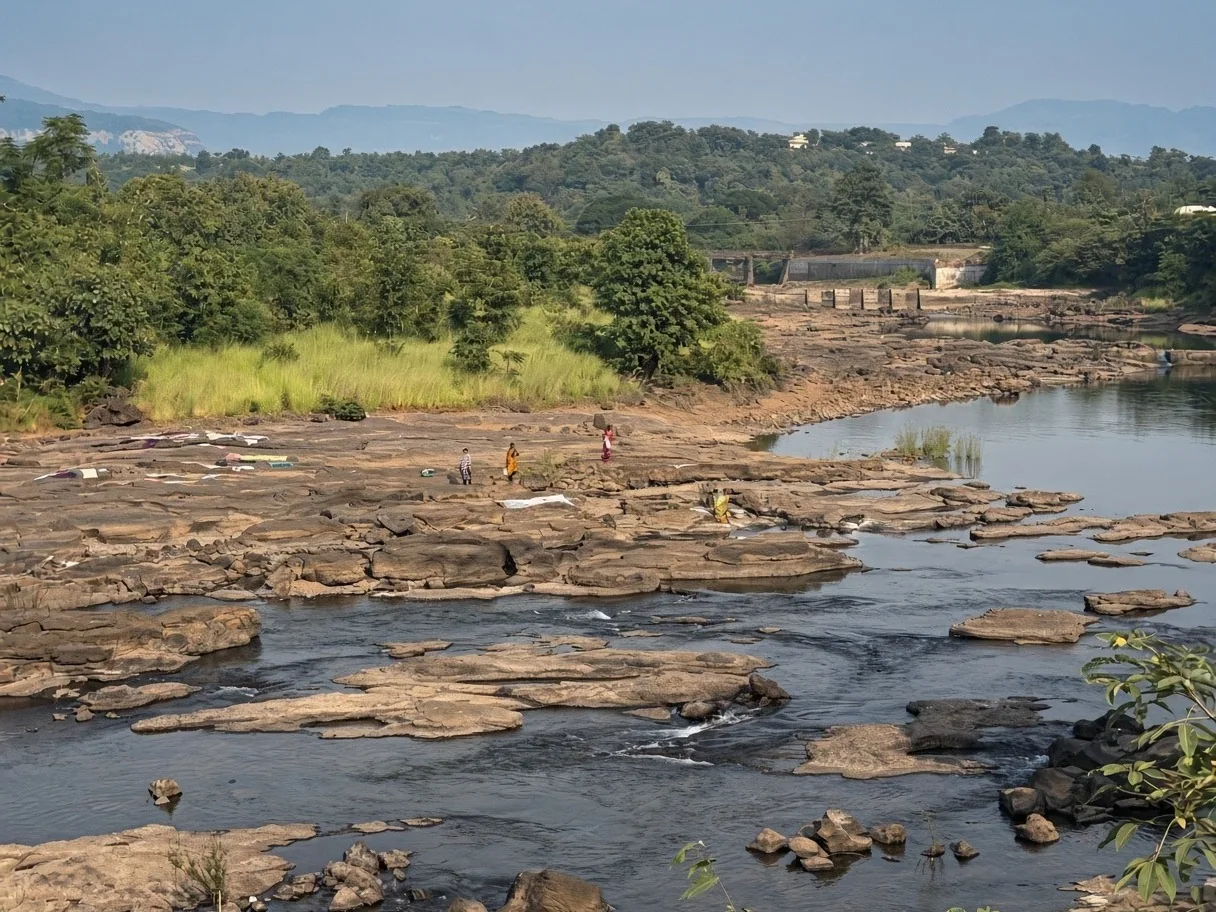
With a lot of coaxing we got some of them to help. Out of five days they might come for two, and on those days they work a couple of hours. Festival time arrives and they disappear for a month. Rice harvesting starts and they are gone again for weeks. The house has moved slowly. Over time we have simply learned to adapt to their rhythm.
My first reaction was the usual one: how lazy can they be? Then I sat with it. Isn’t this closer to what so many of us claim we are striving for? All the talk around post-AGI points to money becoming irrelevant. In 2019, when OpenAI launched its capped-profit subsidiary to raise more money, the press release said:
It would be wise to view any investment in OpenAI LP in the spirit of a donation, with the understanding that it may be difficult to know what role money will play in a post-AGI world.
Elon Musk has said the same thing in different words for years.
Money is essentially a database for labour allocation. Once robots and AI can do the work that produces the things people need and want, that database loses its purpose. Money stops being relevant.
So if that is the direction, why is there so much gloom about it? Were we born to live in servitude—work, work, work, and die as slaves to money—or to live free?
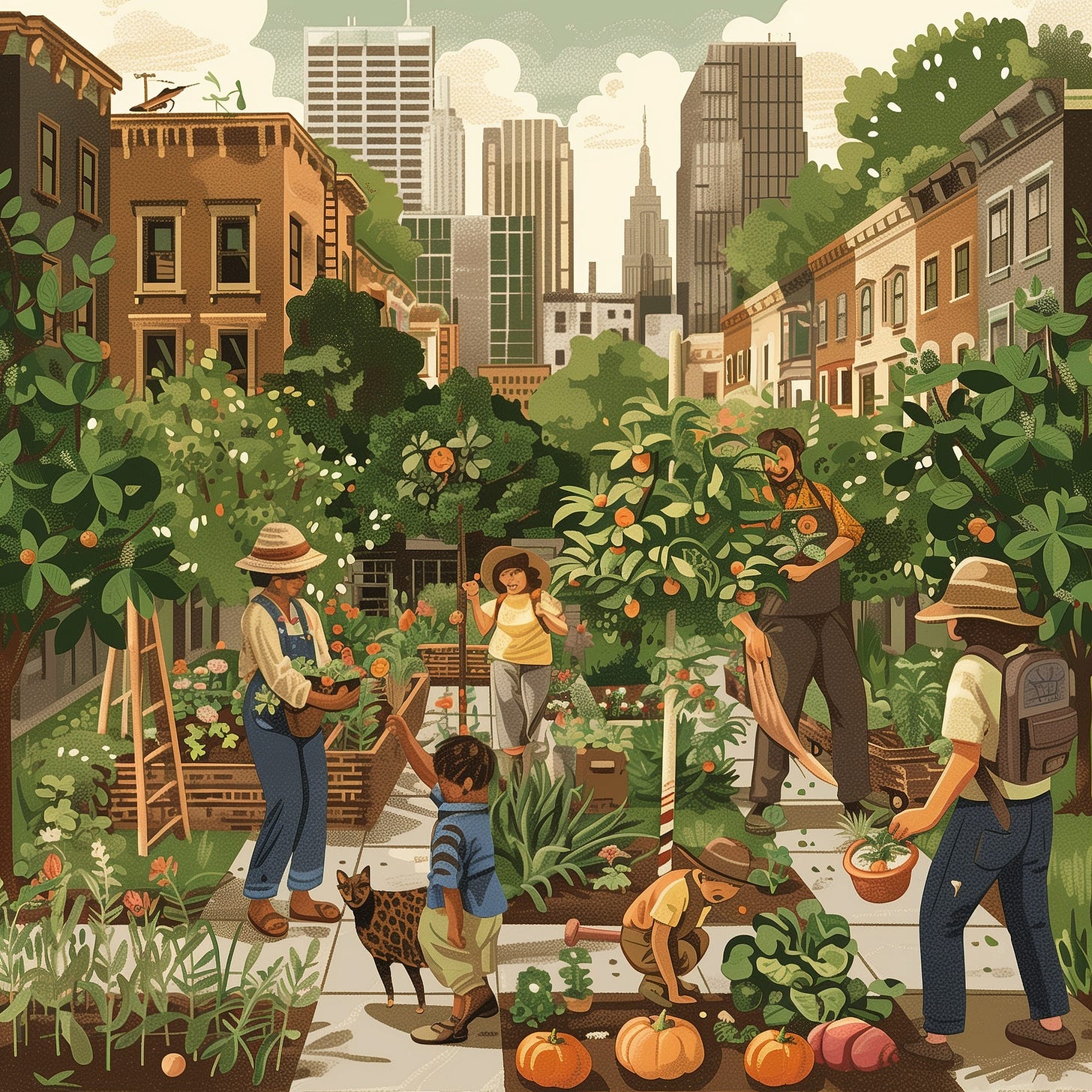
I know the transition is hard. Our whole world is organised around money. We have needs (rent, healthcare, food) and we have wants. But what if the needs are covered through something like universal basic income, and we simply decide to want less? Most of what we want ends up as more garbage for the earth anyway. Then the luxury of time opens up: slow mornings, cooking, growing food, sitting with people, a simple barter or gift economy for the few things we still need from outside. How beautiful is that?
I for one cannot wait to live more like a Sahyadri hill native, right here in Vancouver.
Originally published on Substack — read the original →.