October 16, 2026
Wanting Less: The Fall of Capitalism and Communism
What Happens When No One Wants More

When you want less, capitalism, communism, and any other ism don’t matter at all, don’t matter at all. All economic systems fall flat on their face when one decides to want less.
Before we start blaming capitalism or communism or some other third system for our miserable existence, how about we look inwards and curb the very thing that starts the flywheel.
When you want nothing, no one can sell you anything. No amount of marketing or advertising will get you to buy that thing because you don’t want it.
Now imagine if everyone starts wanting less at scale—capitalists will be dumbfounded and the communists’ supposedly equal distribution of goods will matter no more. A lot of the fight and the division in our society shrinks right there if people can just control their wants. Nature will take back. Don’t we want that, nature taking back organically.
My recent experience with the natives of the Sahyadri Hills in India shows that low wants and a direct relationship to the land make monetary incentives weak. Scale that pattern up and the same logic applies more broadly: the ideological machinery built for managing scarcity and motivating labor has less work to do.
A similar pattern shows up in the older rhythms of Goa. Fish from the boats, feni in the evening, shops that open late and close for a long siesta. The day is organized around heat, tide, rest, and company rather than around continuous extraction of labor. Outsiders often read this as inefficiency. From inside the pattern it is simply a different ranking of what is worth having. Time and ease sit higher than wants. The economic system does not need to solve for maximum output because maximum output is not the goal.
Capitalism, communism, and every hybrid between them are different technologies for managing scarcity and for motivating labor under the assumption that people will want more. When that assumption weakens, the technologies start to look oversized.
Bhutan tried to write a version of this preference into national policy. In the 1970s the fourth king declared that Gross National Happiness mattered more than Gross Domestic Product. The framework is measured across nine domains that include psychological well-being, time use, community vitality, and ecological resilience alongside living standards. The explicit claim is that a society can choose to track and protect things other than material expansion. Whether the implementation has fully succeeded is another question. The spread of the internet and youth exposure to the outside world just led to wants creeping back into their society.
These examples of communities show that when material desire is modest, large parts of the apparatus designed to stimulate and allocate under high desire become less necessary. Money is a weaker signal. The question of who owns the factory matters less if few people are trying to claim a large share of its output.
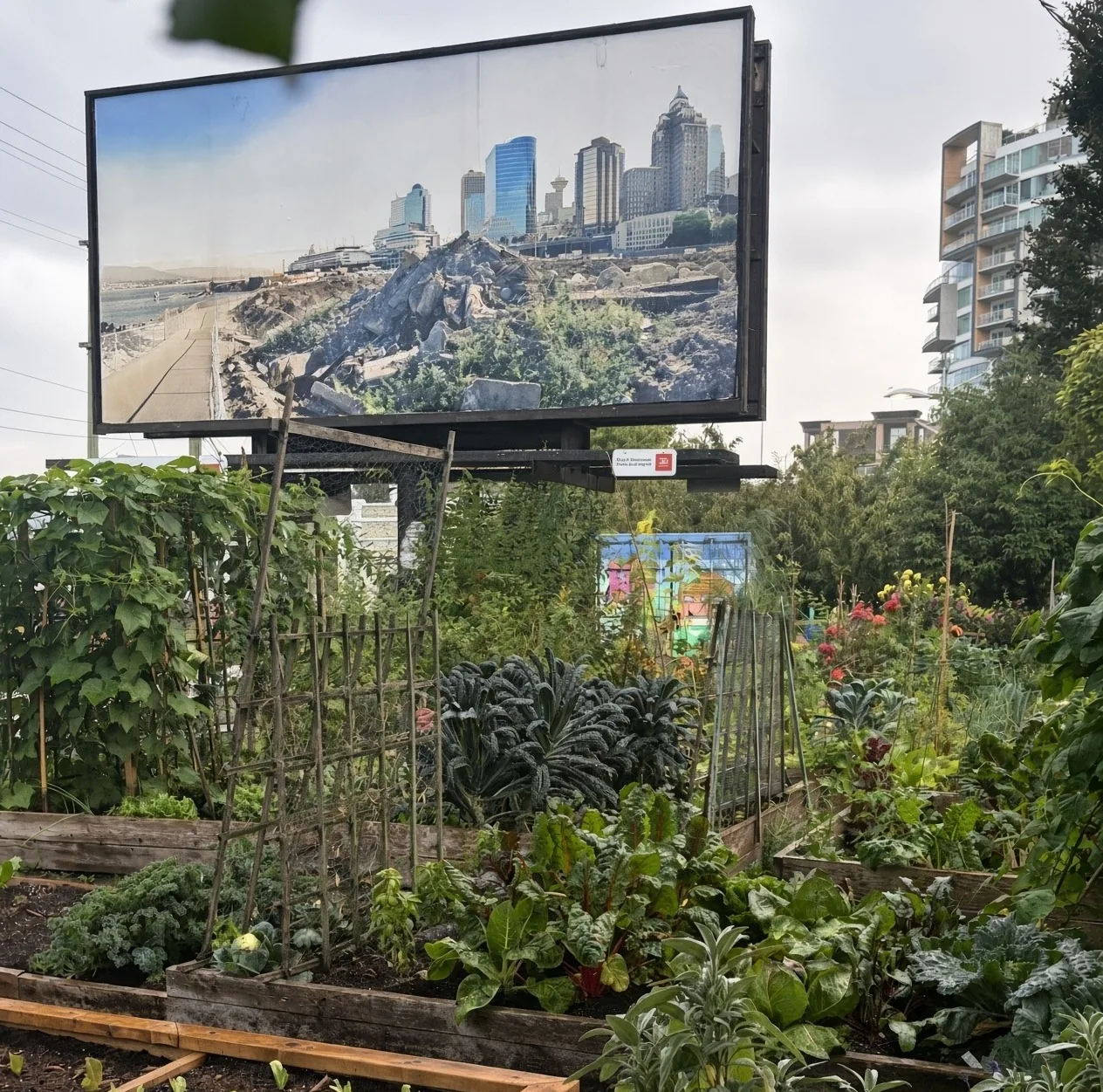
This is the condition that makes the isms recede. They are not false so much as overbuilt for a world in which most people have decided that additional possessions are not worth the life required to obtain them.
So how about we start wanting less and see the world change around us. The fear of AI, the hate for capitalism, the hate for communism will not matter at all, don’t matter at all, simply when we start wanting less. Because everything you want is already here.
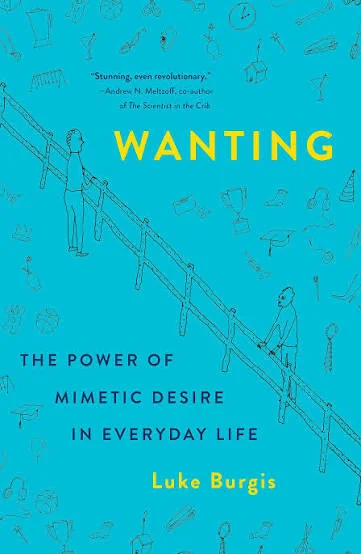
A good book to read on this is Wanting. The book talks about how desires arise. It supplies a mechanism for the perpetual wanting that keeps high-consumption economic systems running. If a large share of desire is imitative and competitive rather than arising from genuine need or independent preference, then status races, positional goods, and the pressure to keep up are not inevitable features of human nature in the strong sense—they are contagious. Reducing exposure to certain models, or deliberately choosing different ones, can weaken the cycle. That is one practical route toward lower material desire.
If you have any questions feel free to connect with me on X or LinkedIn.
Originally published on Substack — read the original →.