November 13, 2026
No Running Water, But They Have AI
The India Issue

Back from spending a month in India and I have to say: AI is a non-issue in the country. There is no debate about AI, they’re just using it.
Everyone is either chatting with AI or coding with AI. Even the tribals I interacted with — they have no running water in their village but they have phone and data and they have AI on mobile. The kids of the tribals I met were using it for image generation and modification. They’d take a photo, and transplant their dad in different places. They took our house under construction and visualized its complete state with AI.
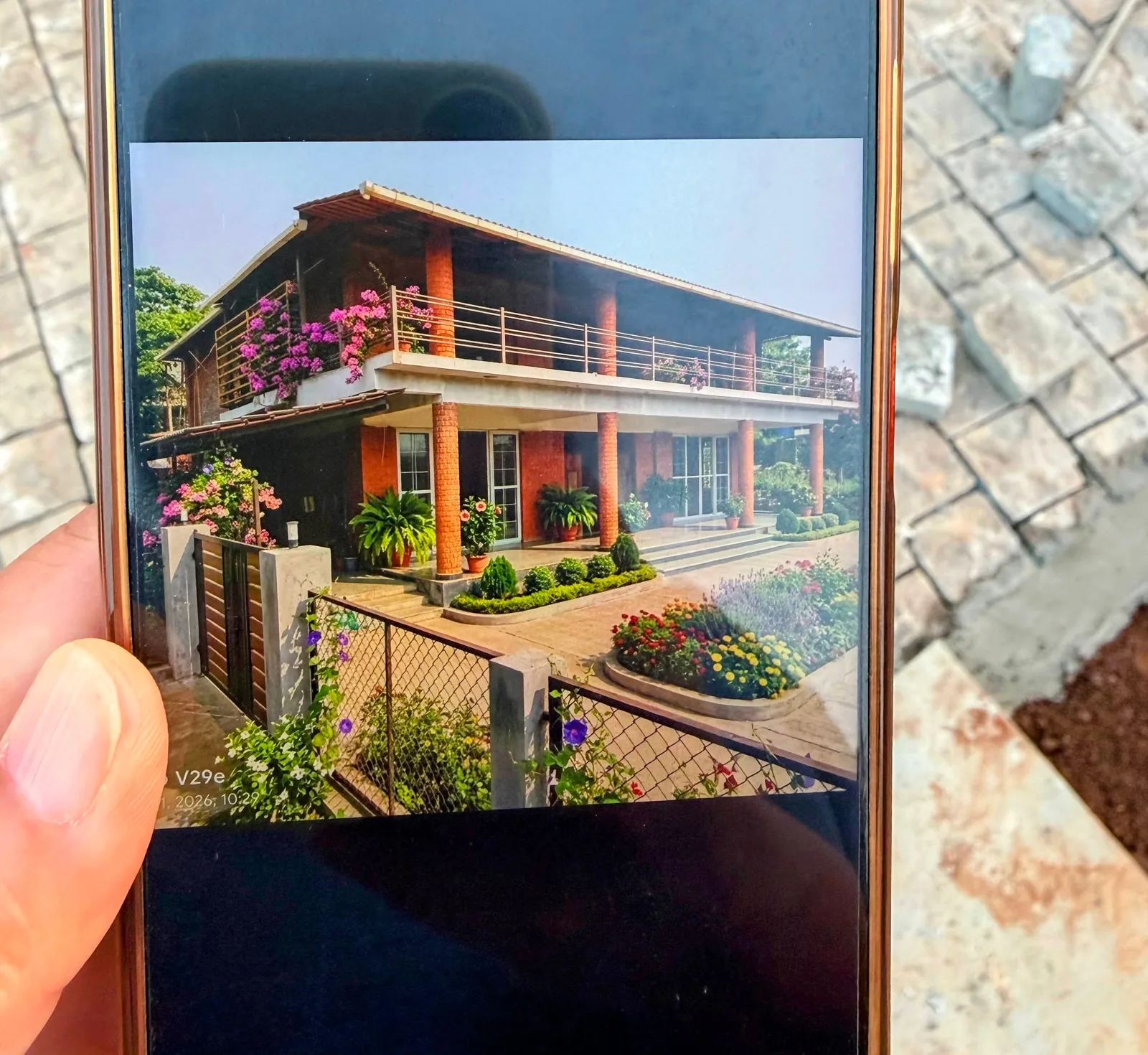
I kept expecting some version of the debate I hear back home in Canada and generally across the west about jobs, about energy, about meaning, about whether we should slow it down. It wasn’t there. People were using it, the way they use WhatsApp or any other app. It’s a new tool in their toolbox.
That tracks with what the numbers are showing right now. India has become ChatGPT’s largest market by weekly active users, and the base roughly doubled in 2026. A survey of over 3,000 rural youth found 55% using AI almost daily and another 28% using it occasionally. Broader rural data shows more than half of rural consumers already using at least one AI-enabled feature, rising higher among Gen Z.
Cheap smartphones and Jio style data pricing let people skip a lot of the older infrastructure ladder. There are villages still without reliable running water but cheap data coverage means anyone with a phone and signal can pull up a chatbot.
It’s the opposite of the Western framing where AI is still mostly a cultural debate. In a lot of India it already looks more like electricity or WhatsApp — an everyday utility people just use.
India already leapfrogged legacy banking, with over a billion people using QR code mobile payments to transact and bank while the West still swipes plastic. And they are doing it again with AI. While we hold symposiums on the existential meaning of automation, kids with cheap data plans are rendering architectural blueprints on their phones.
Originally published on Substack — read the original →.